RCD, MCB and RCBO: What Is the Difference?
RCDs, MCBs, and RCBOs each secure versus various electric dangers. RCDs spot earth mistakes and prevent electrical shocks by removing power promptly. MCBs offer overload and short-circuit protection, utilizing a thermal tripping device yet do not guard versus ground mistakes. RCBOs incorporate the functions of RCDs and MCBs, giving both earth-fault and overcurrent security. Picking the appropriate device depends on your certain security demands, and there's even more electrician chestfield to think about to assure peak protection.

Takeaways
- RCDs detect planet mistakes to stop electrical shocks, while MCBs safeguard against overloads and brief circuits.
- RCBOs incorporate the features of RCDs and MCBs for extensive security versus both earth faults and overcurrents.
- RCDs and RCBOs have test switches for normal checks; MCBs do not include this function.
- MCBs are typically the most budget-friendly option, whereas RCBOs are costlier as a result of their dual functionality.
- Option should be based upon certain defense needs, thinking about factors like careful control and electric format.
What Are RCDs and Just How Do They Work?
Pertaining to electrical security, Residual Current Gadget (RCDs) chestfield electrician play an important role. They're created to spot planet leakage, which takes place when electrical current runs away from its designated circuit. When there's a recurring existing that exceeds a specific limit, the RCD acts swiftly, giving fault discovery that's essential for avoiding electric shocks. By checking the equilibrium in between the live and neutral cords, it determines disparities that indicate a mistake. Upon identifying such a mistake, the RCD initiates a safety and security separate, removing the power supply almost quickly. This quick reaction is crucial in protecting both individuals and residential or commercial property from the dangers connected with electric mistakes. Understanding how RCDs work is important for ensuring a secure electric setting.
MCBs: Overload Protection Explained
MCBs, or Miniature Circuit Breakers, offer important overload protection for electrical circuits. They work by spotting excess current flow, which can harm your devices or circuitry. Below's just how they function:
- Thermal Tripping: MCBs utilize a bimetallic strip that flexes under warmth from overload, setting off the breaker.
- Short Circuit Protection: In situation of a short circuit, MCBs respond instantaneously, removing the present to stop additional damage.
- Fault Current Taking Care Of: They're designed to interrupt excessive fault currents, guaranteeing safety and security and integrity.
While they give surge defense, remember that MCBs do not prevent planet faults-- that's where RCDs come in. Recognizing MCBs assists you preserve a secure electric setting.
What Can RCBOs Do for Your Electrical Security?
RCBOs, or Residual Current Circuit Breakers with Overcurrent protection, play a necessary role in improving your electrical security. They integrate the features of an MCB and an RCD, giving both overcurrent defense and fault seclusion. This indicates that if there's a short circuit or overload, the RCBO trips, avoiding damage to your circuits and reducing fire threats. Additionally, in case of a ground fault, RCBOs assurance immediate interference, protecting you from potential electrical shock. They additionally provide rise reductions, safeguarding your home appliances from voltage spikes. By incorporating these attributes, RCBOs give you reassurance, understanding that your electrical system is well-protected against various threats. Buying RCBOs is a positive action toward a much safer electric environment.
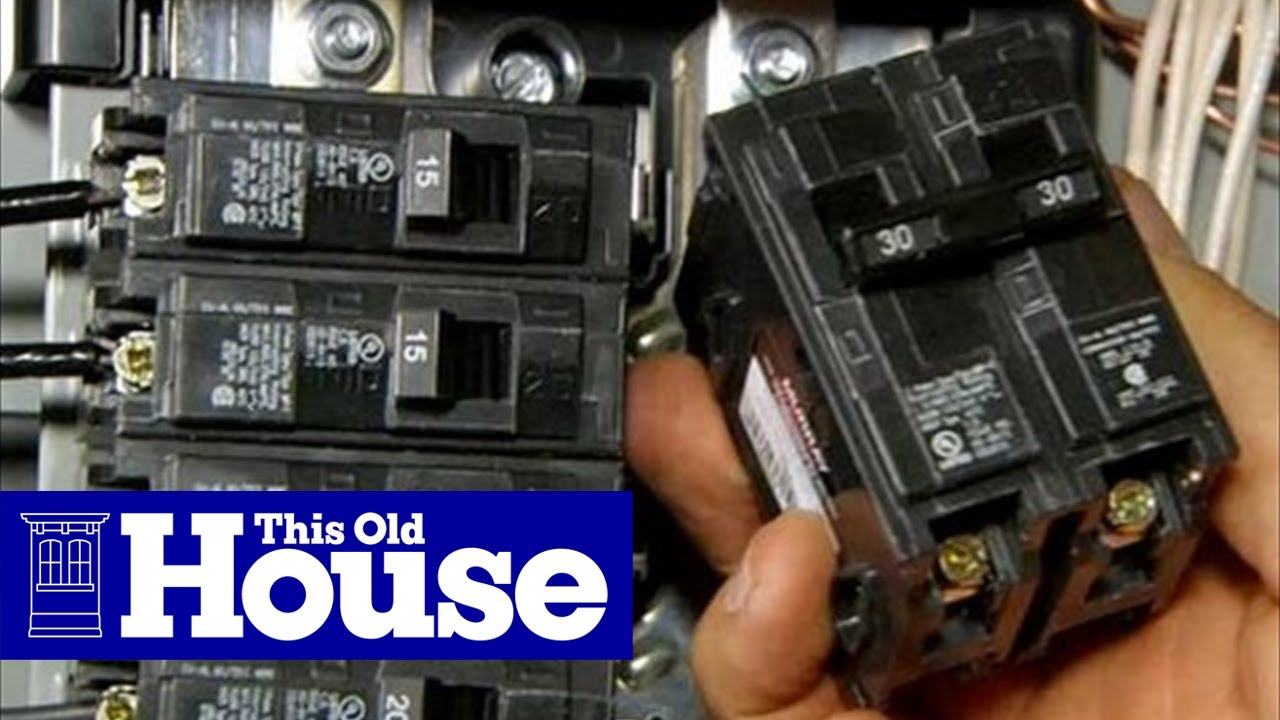
Comparing RCDs, MCBs, and RCBOs: Key Distinctions Discussed
Recognizing the differences in between RCDs, MCBs, and RCBOs is necessary for making notified decisions about your electric safety. Right here's a malfunction of their essential differences:
- Capability: RCDs find planet faults, MCBs safeguard against overloads and brief circuits, while RCBOs combine both capabilities.
- Examination Treatments: RCDs and RCBOs generally have examination switches for regular checks, guaranteeing they journey correctly under fault conditions. MCBs don't have this function.
- Cost Comparison: Generally, MCBs are one of the most inexpensive alternative, while RCBOs, supplying double defense, have a tendency to be pricier than both RCDs and MCBs.
How to Choose the Right Gadget to stop Electrical Risks?
When thinking about how to select the ideal device to stop electrical hazards, it's crucial to assess your certain needs and the possible threats in your environment. If you're concerned concerning ground faults, an RCD (Residual Present Device) is crucial, as it identifies imbalances in electric currents and separates the circuit to stop shock. For overcurrent security, an MCB (Miniature Breaker) appropriates, securing against overloads. If you need both functions, an RCBO (Residual Present Breaker with Overcurrent security) integrates these features. Furthermore, think about careful sychronisation to ensure that only the needed gadget journeys throughout a fault, reducing disturbance. Analyze your electrical design and seek advice from a professional to determine the most effective option for your safety and security requirements.
Regularly Asked Concerns
Can I Set Up RCDS, MCBS, or RCBOS Myself?
You can mount RCDs, MCBs, or RCBOs yourself, however it's important to take into consideration do it yourself restrictions in your area. Several local regulations need licensed electrical experts for setup, particularly in facility systems. In addition, doing it on your own may void any kind of guarantee on the devices or your electrical system. To assure safety and security and compliance, it's usually best to consult an expert prior to waging any type of setup. Your security and adherence to laws should constantly come first.
Just how Usually Should I Check These Instruments?
You need to check these gadgets yearly to ensure they're functioning properly. Nevertheless, for height safety and security, think about performing a regular monthly aesthetic check to spot any evident problems. Annual testing confirms the device's efficiency under load, while monthly examinations help maintain understanding of their problem. Maintaining a normal schedule not just enhances safety however likewise prolongs the life-span of the tools, making sure they supply trustworthy security when needed.
Are These Tools Compatible With All Electrical Systems?
Not all electric systems are suitable with these tools. Think of your system as a puzzle; if the pieces don't fit, it will not work. Electrical compatibility pivots on correct system grounding and the specific demands of your installation. Before integrating any one of these tools, you should make specific they straighten with your system's specs. Consulting a professional can assist you browse this intricacy and make sure secure, efficient operation.
What Are the Prices Related To RCDS, MCBS, and RCBOS?
The expenses connected with RCDs, MCBs, and RCBOs include installation prices and recurring upkeep. Installment expenses can vary based upon complexity and your electric system, normally ranging from $100 to $300 each. Ongoing upkeep may entail routine testing and occasional replacements, contributing to your long-lasting expenditures. It's important to consider both first and future prices when picking the ideal device for your requirements to assure security and dependability.
Do RCDS, MCBS, or RCBOS Run out or Have a Life expectancy?
Yes, RCDs, MCBs, and RCBOs can expire, a lot like a ticking clock that ultimately uses out. Their solution life varies, normally varying from 10 to three decades, relying on element wear, ecological degradation, and producing defects. Normal screening is important to make sure they function appropriately. With time, direct exposure to moisture and temperature level fluctuations can compromise their dependability, so keeping an eye on these elements can assist keep safety in your electric systems.